

Time steals from humanity the footsteps of culture, history, and art. As centuries pass, it erodes our traces and leaves behind only fragments—skeletons buried beneath the earth, ruins worn by wind and rain, and fading echoes of civilizations once alive with thought and creation. Time may seem cruel and indifferent, yet it moves according to its own relentless rhythm. Still, it never erases everything. It leaves behind clues for us to uncover, preserve, and rebuild so we may understand the legacy of our ancestors.
There are countless examples of this endurance. Archaeologists have discovered the preserved footprints of early humans hidden beneath layers of sand for thousands of years, along with the skeletons of people and animals that silently narrate stories of worlds long lost to time.
In the end, something always survives—something for us to pass on to the next generation, so our children and grandchildren may know who their forefathers were and what they once created.
But what do we call the deliberate destruction of art and culture? The smashing of statues carved from stone, marble, and granite; the shattering of idols and magnificent sculptures that once stood proudly for centuries—masterpieces shaped by the hammer and chisel of artisans whose devotion outlived empires—only to be mutilated in the name of religion, vanity, conquest, or fear?
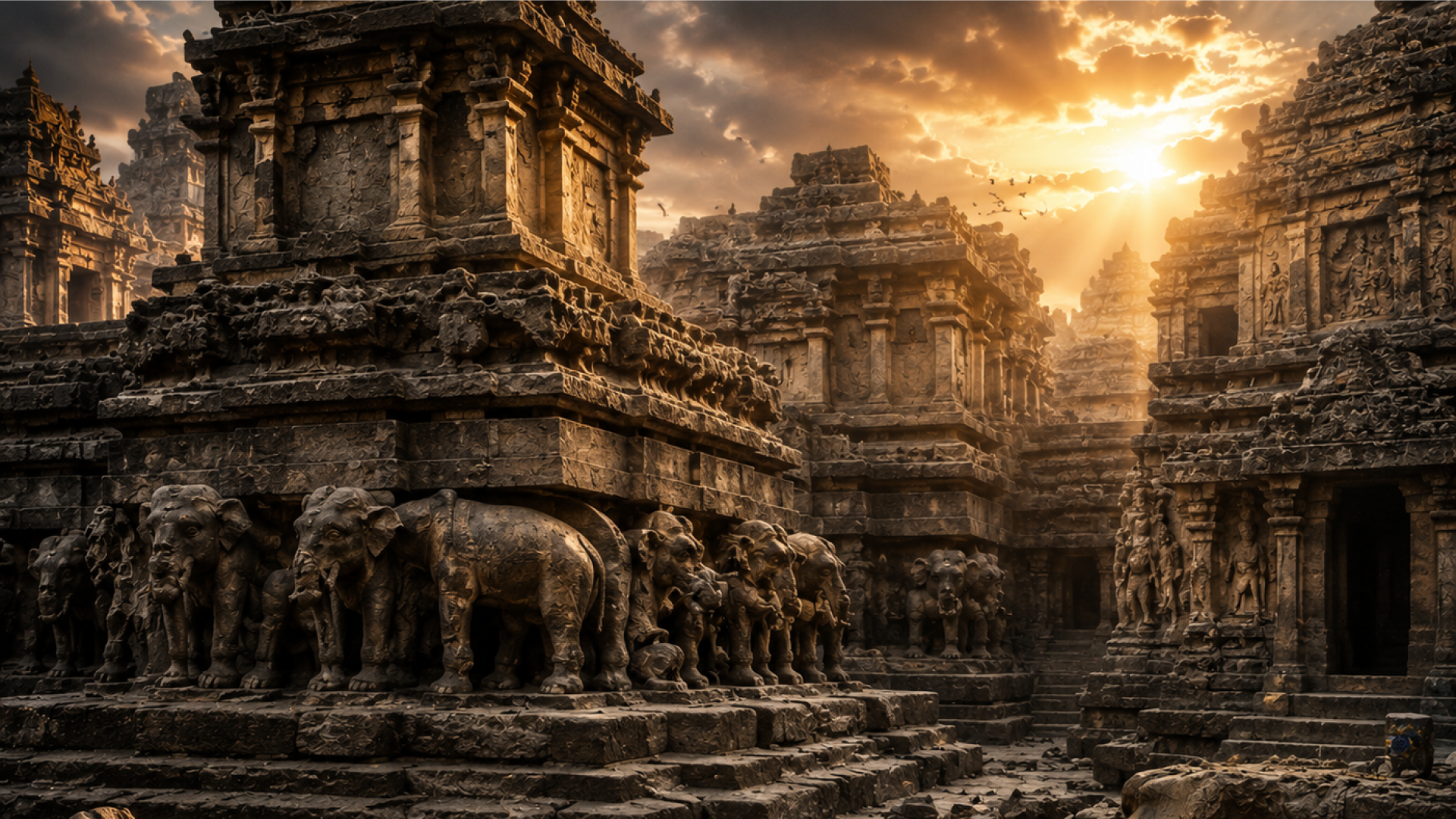
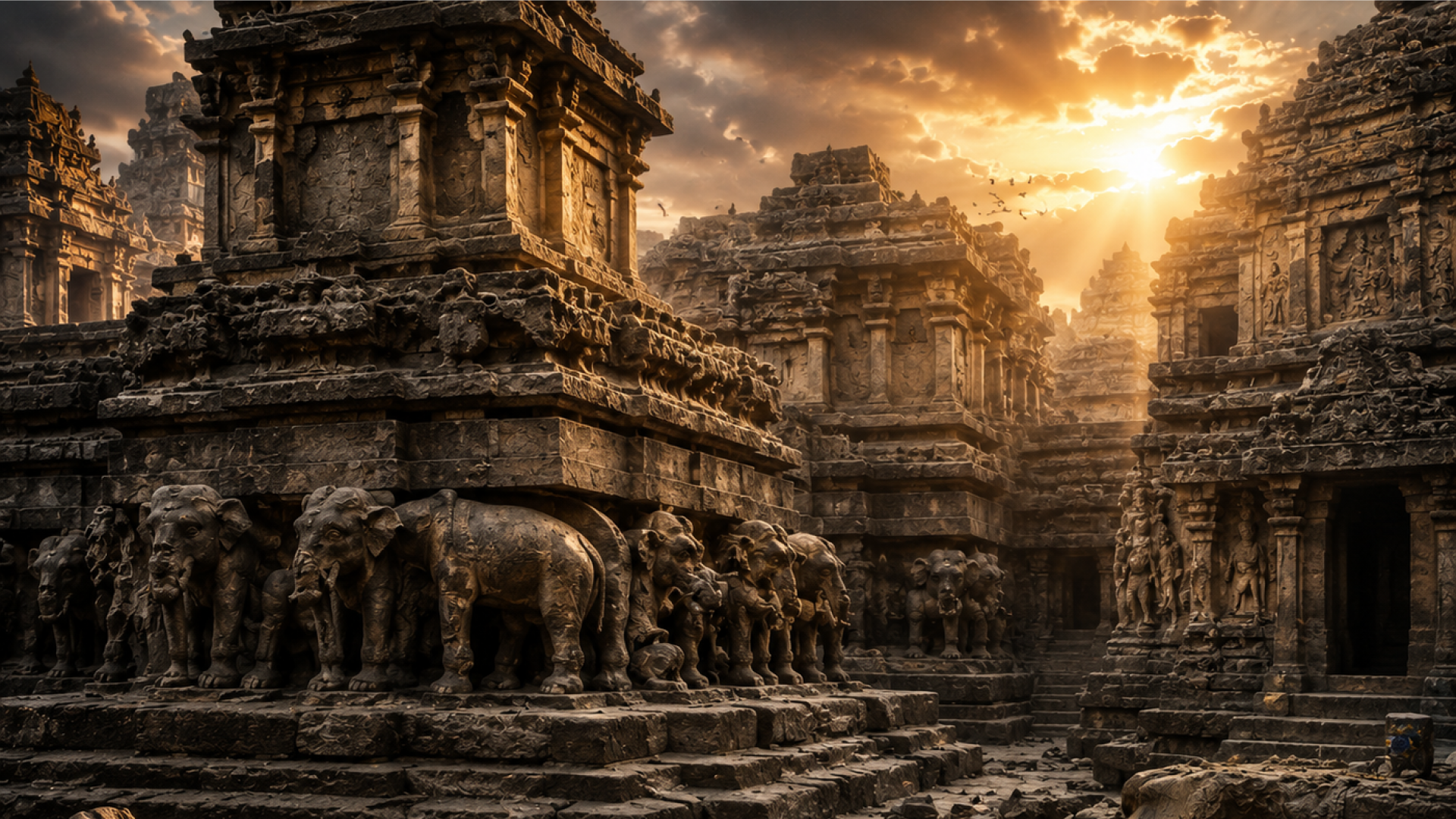
Among the many surviving witnesses of this conflict between creation and destruction stands Ellora Caves. Today, Ellora remains a testament to the brilliance, perseverance, and spiritual dedication of the monks, sculptors, and artisans who carved entire worlds into barren mountainsides, enduring harsh winters and relentless monsoon rains. Yet it also stands scarred—a silent reminder of those who sought to destroy what they could neither create nor fully erase.
Previous Story
Eclipse in June 2020
Next Story